White-label
Your mark on it.
Egyptian-made products, developed around your brand. Explore packaging, colours and branding options with the manufacturing specification from the start.
Discuss your rangeThe product comes first.
Your identity follows.
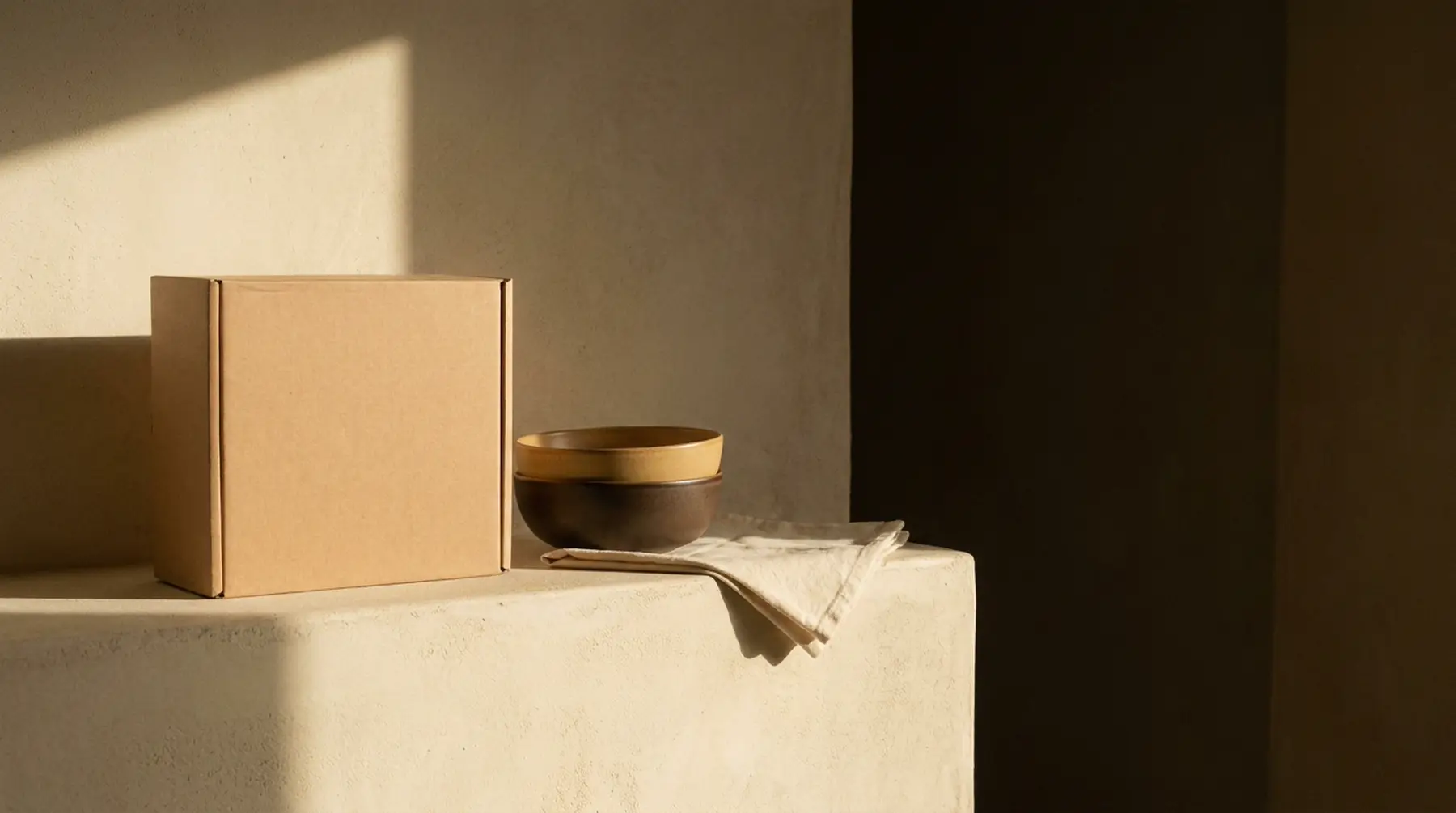
Own-label sourcing can involve a different colour, printed packaging, a moulded mark or a product developed to a particular specification. What is possible depends on the product and manufacturer.
Define the material, finish, artwork and packaging together. That gives the supplier a clear brief for confirming setup costs, quantities and approval requirements.
Published range guides
Plan the first run.
These own-label minimums are a starting point for discussion. The final quantity depends on the selected product, branding process and supplier.
Household
1,000units, own labelPublished minimum 500 units · 14-21 days
Textiles
500units, own labelPublished minimum 300 units · 21-30 days
Kitchenware
500units, own labelPublished minimum 200 units · 18-25 days
Cleaning
2,000units, own labelPublished minimum 1,000 units · 10-14 days
Ceramics & Glass
300units, own labelPublished minimum 100 units · 30-45 days
Beauty & Personal
1,000units, own labelPublished minimum 500 units · 14-28 days
Construction
5,000units, own labelPublished minimum 1,000 units · 21-45 days
Lead times and minimums are indicative. Product compliance and required documents must be confirmed for your market before ordering.
Your brief
Four details to begin with.
The product
A catalogue reference or a description of what you need. Include material, dimensions, finish and any changes you want to make.
The identity
Your artwork, colour references and proposed packaging. If these are still in development, explain the intended result.
The destination
Tell us where the products will be sold. Applicable labelling, testing and documentation requirements are part of the sourcing brief.
The quantity
Include an estimated quantity for each product and your preferred timing. These help establish a realistic production discussion.
Material studies
Consider the surface.
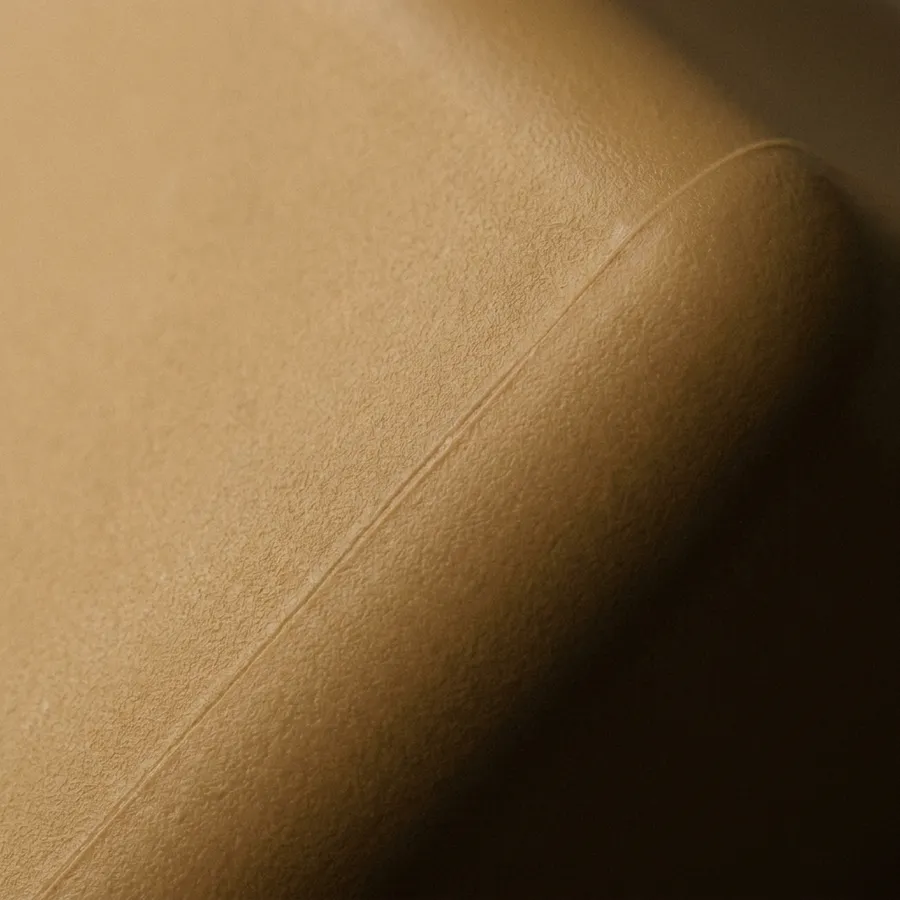
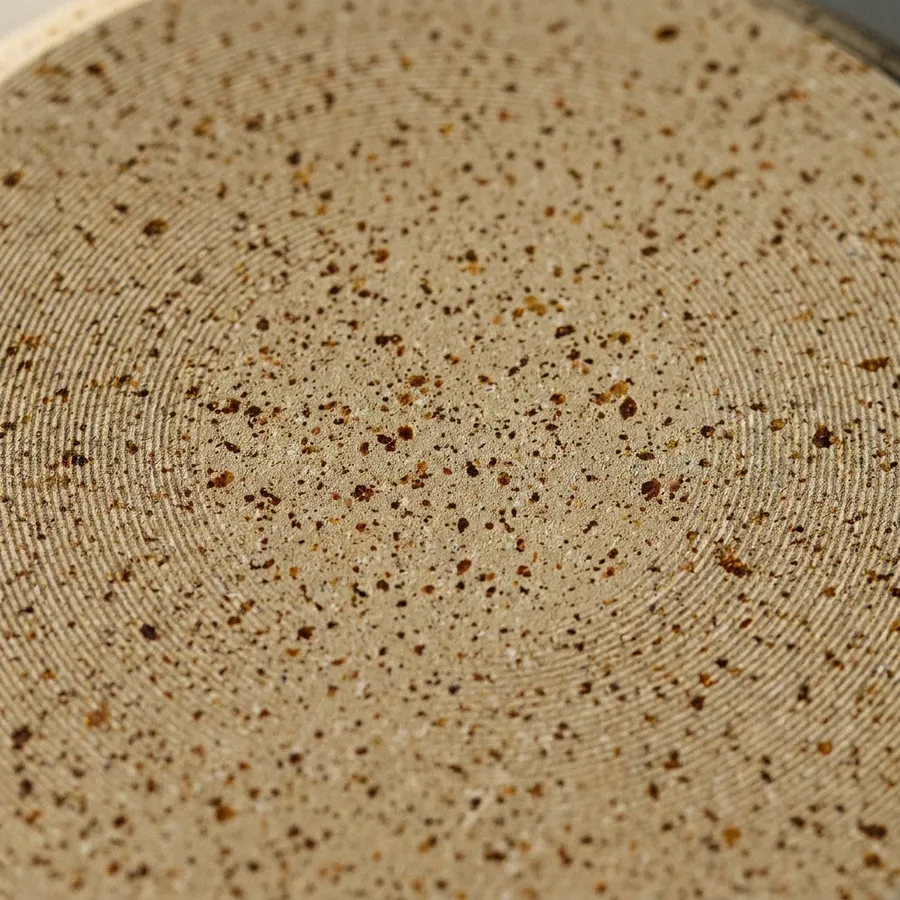
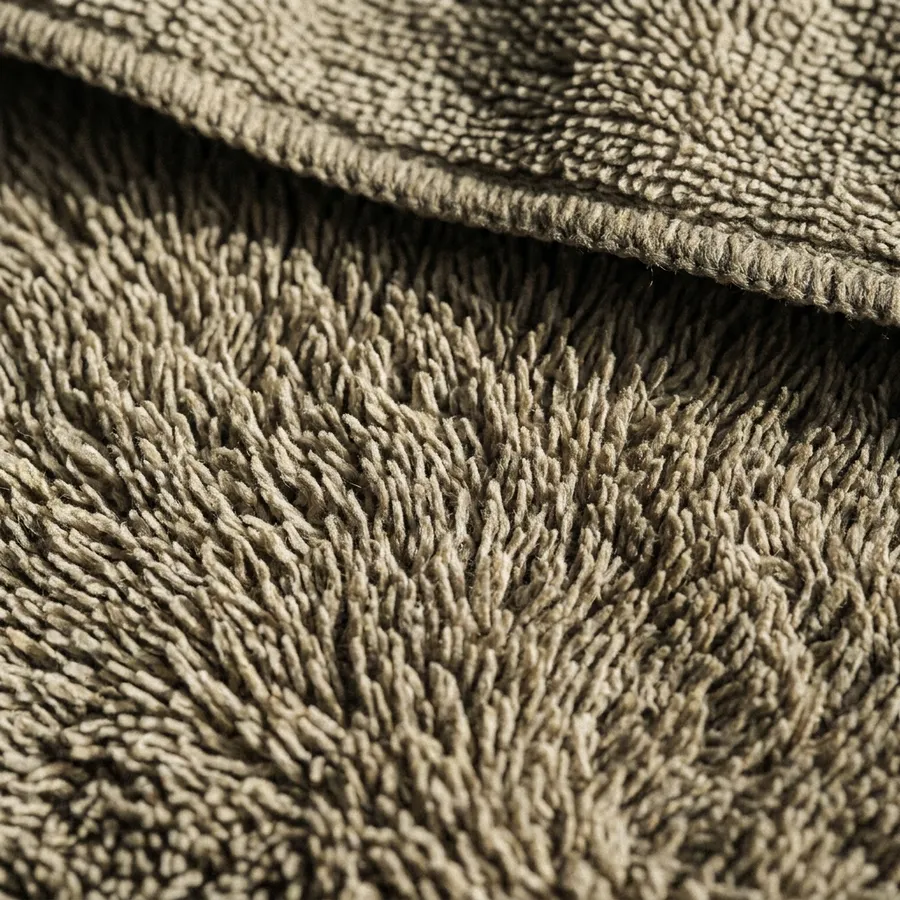
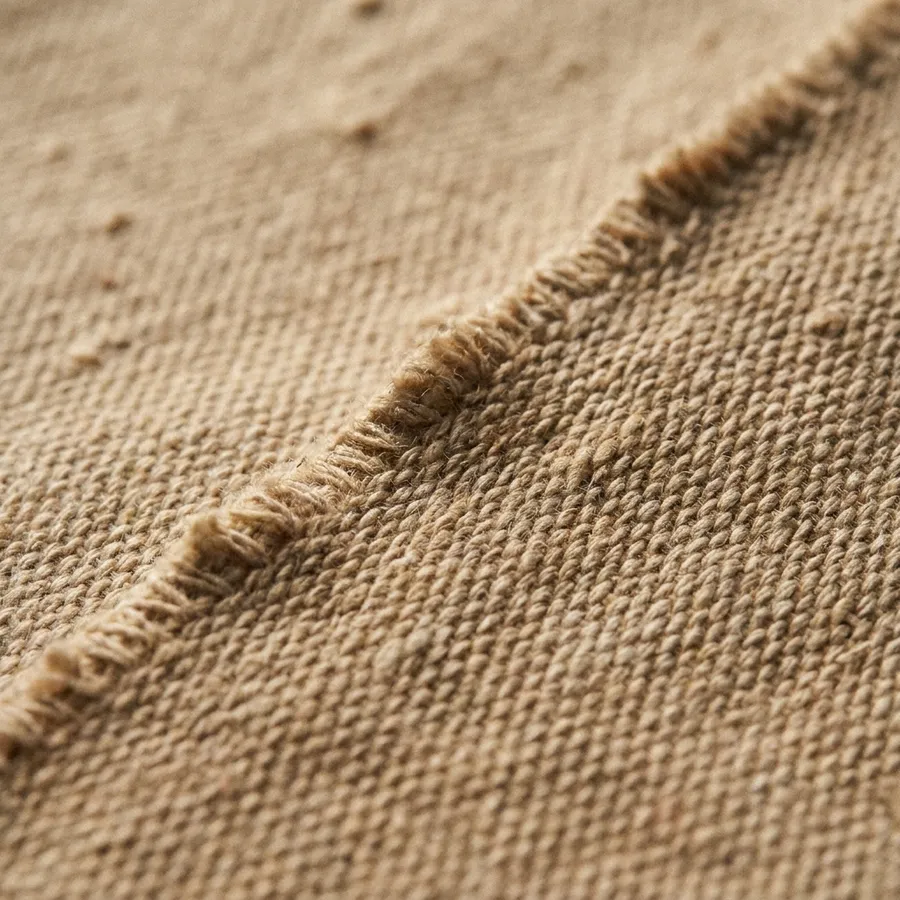
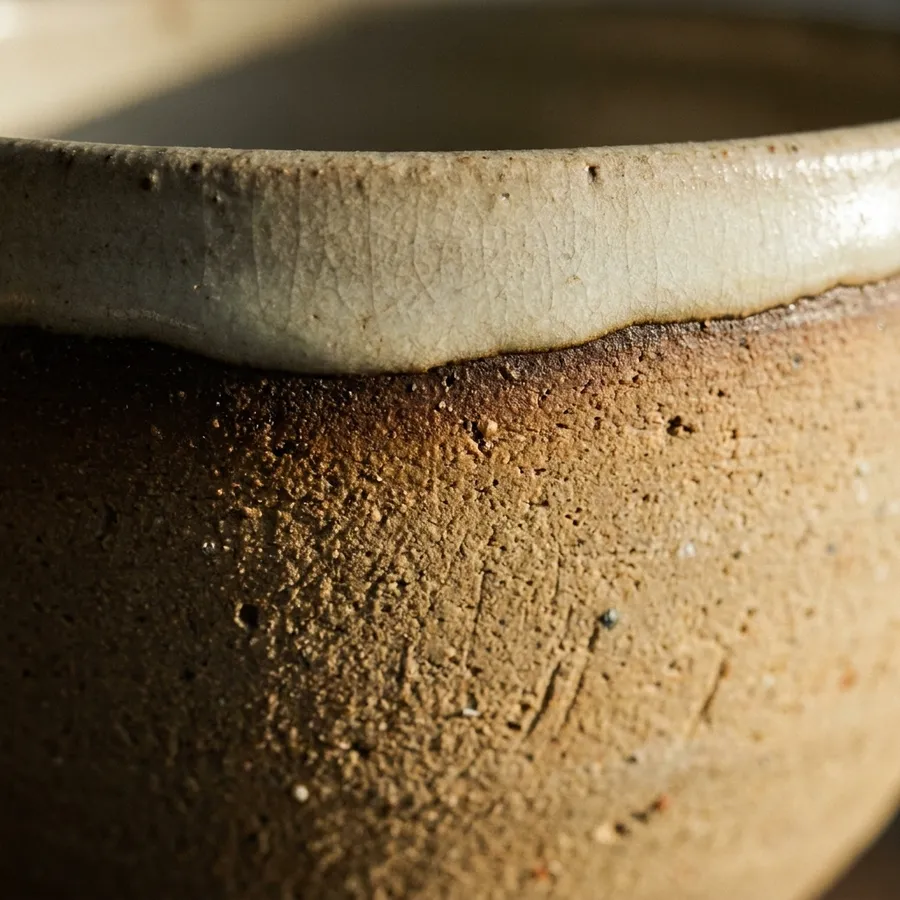
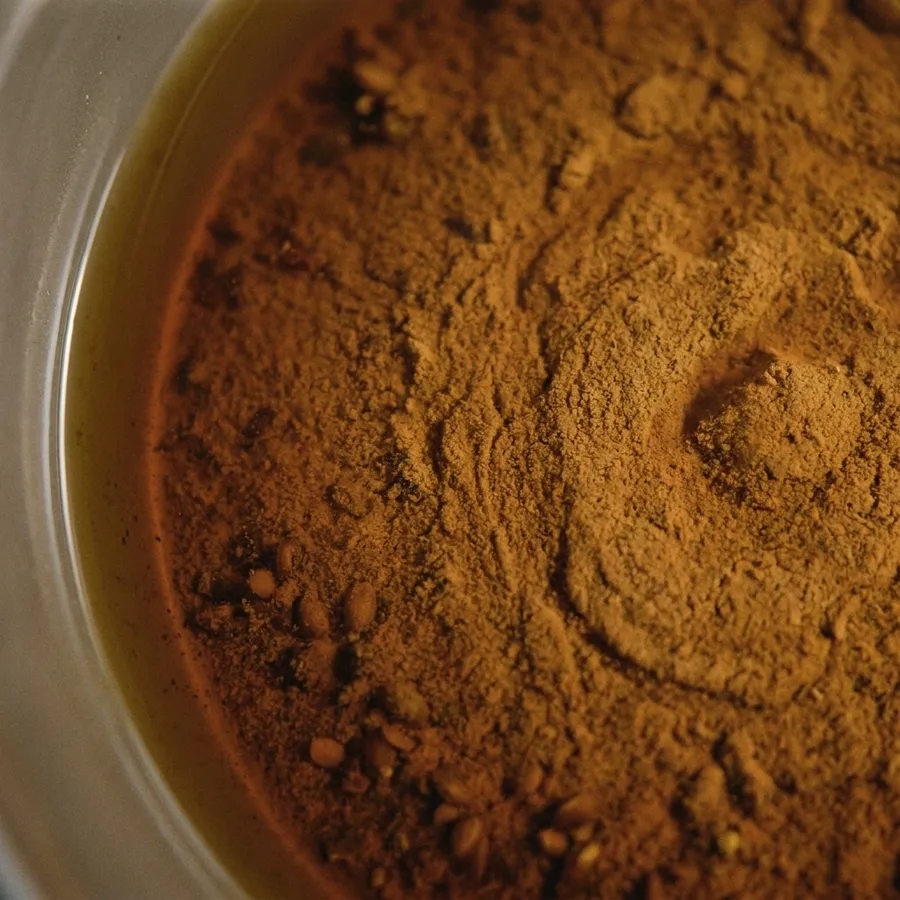
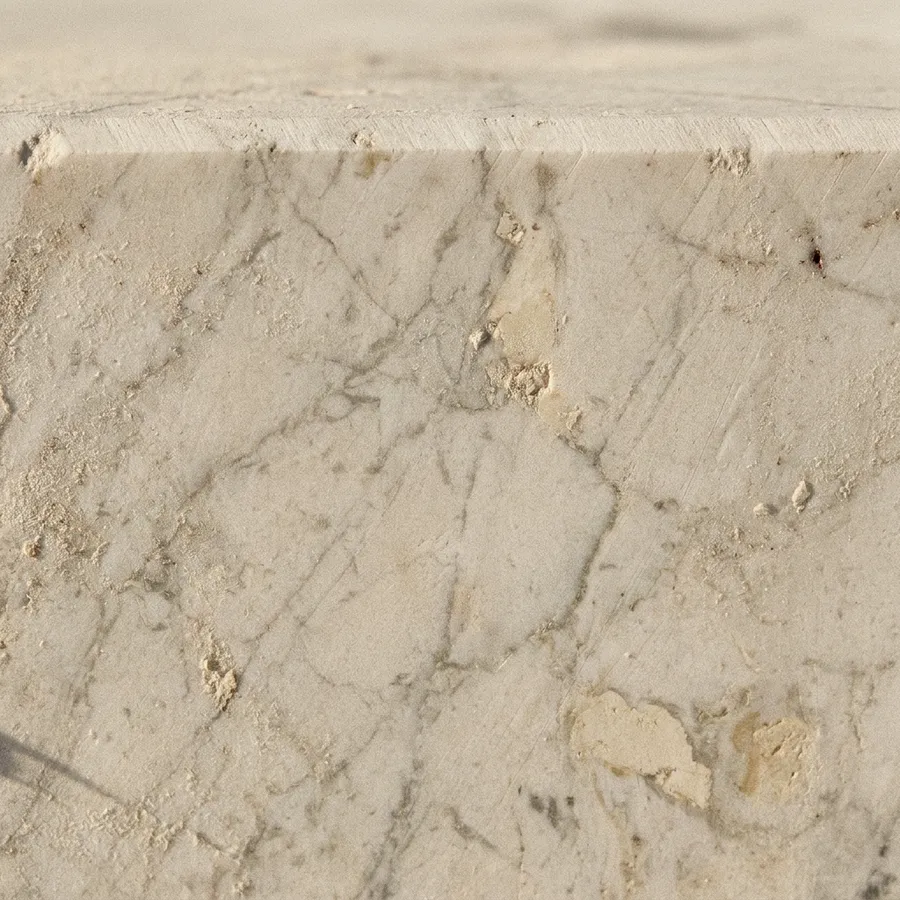
Material and finish influence how a mark is applied and how a product feels. These illustrative studies introduce the range; the final specification is agreed for your order.
Make it yours
Tell us about your range.
Bring your product ideas, intended quantities and market. We’ll help establish the next sourcing questions.
Start an enquiry